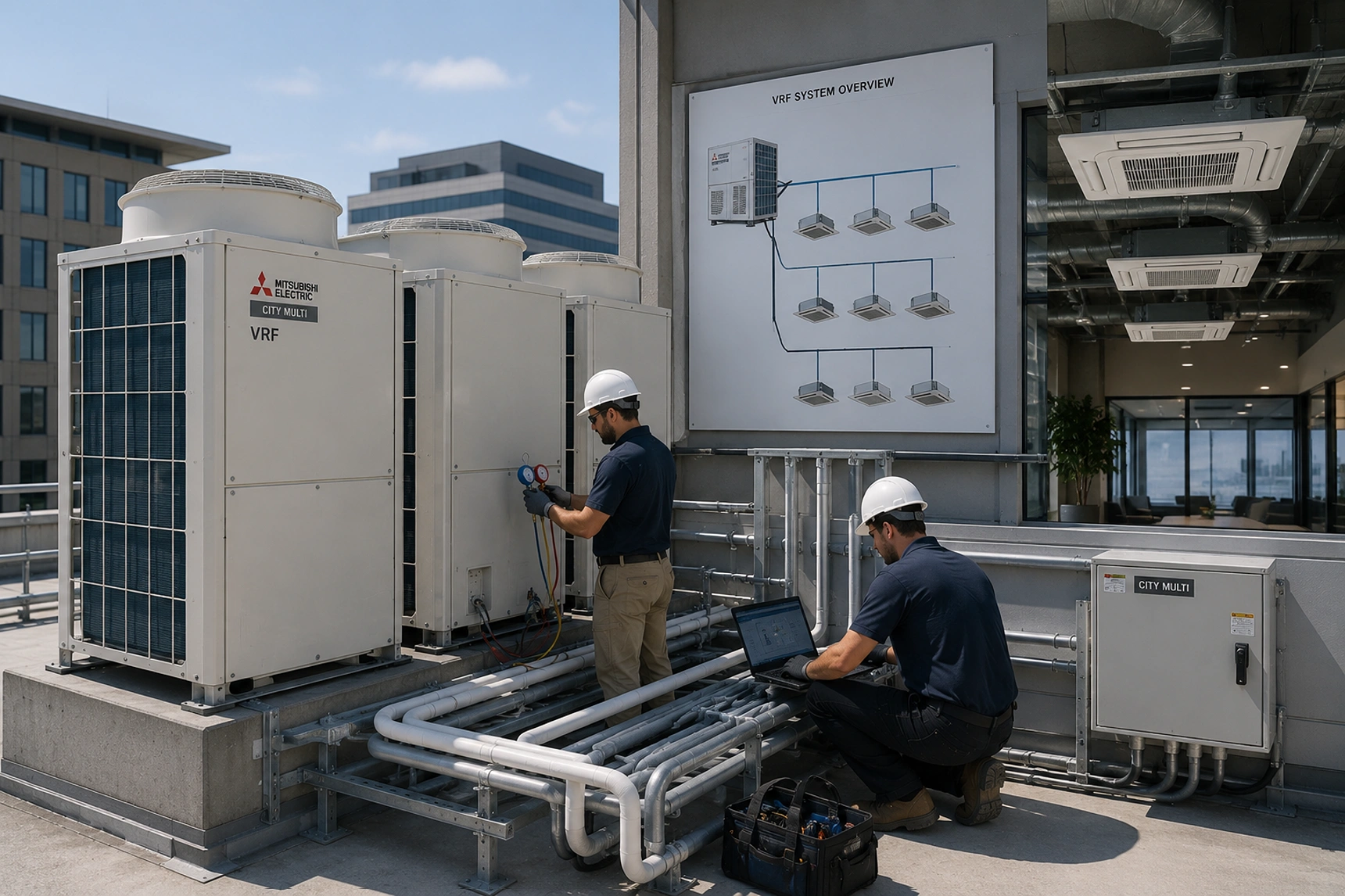
Different spaces have different heating and cooling needs. Variable Refrigerant Flow (VRF) systems offer flexible temperature control across multiple zones, making them a practical option for many commercial environments. 2Four Perfect Mechanical helps businesses address VRF system needs with a focus on comfort, system performance, and the demands of daily building operations.
A conference room, private office, retail floor, and shared workspace may all need different temperature settings at the same time. VRF systems are designed to accommodate these varying demands by adjusting refrigerant flow and allowing multiple indoor units or zones to operate according to their requirements. This flexibility makes them useful for commercial buildings where occupancy, room usage, and comfort preferences change throughout the day.
When a VRF system develops inconsistent temperatures, communication faults, unusual operating behavior, or control issues, identifying the cause requires attention to how the system’s components work together. 2Four Perfect Mechanical helps businesses assess their VRF service needs and explore appropriate next steps, whether they involve resolving a performance concern, maintaining existing equipment, or evaluating system improvements.
Support different temperature settings across designated areas of your building to suit varying occupancy and usage needs.
Accommodate changing room layouts, work patterns, and business activities with a system designed for multiple zones.
Allow individual areas to respond to their own heating and cooling requirements rather than treating the entire building as one space.
VRF technology can adjust system output to match changing demand, potentially reducing unnecessary energy use when properly designed and operated.
Provide a flexible climate-control option for properties with multiple rooms, distinct zones, or varying comfort requirements.
Address operating issues and control settings to help your system respond more effectively to the building's heating and cooling demands.
VRF systems rely on coordinated operation between outdoor equipment, indoor units, refrigerant circuits, and control components. A problem affecting one part of the system can influence comfort or operation in ways that are not always immediately obvious. Our approach focuses on understanding the symptoms, considering the wider system, and communicating practical recommendations based on your building’s requirements.
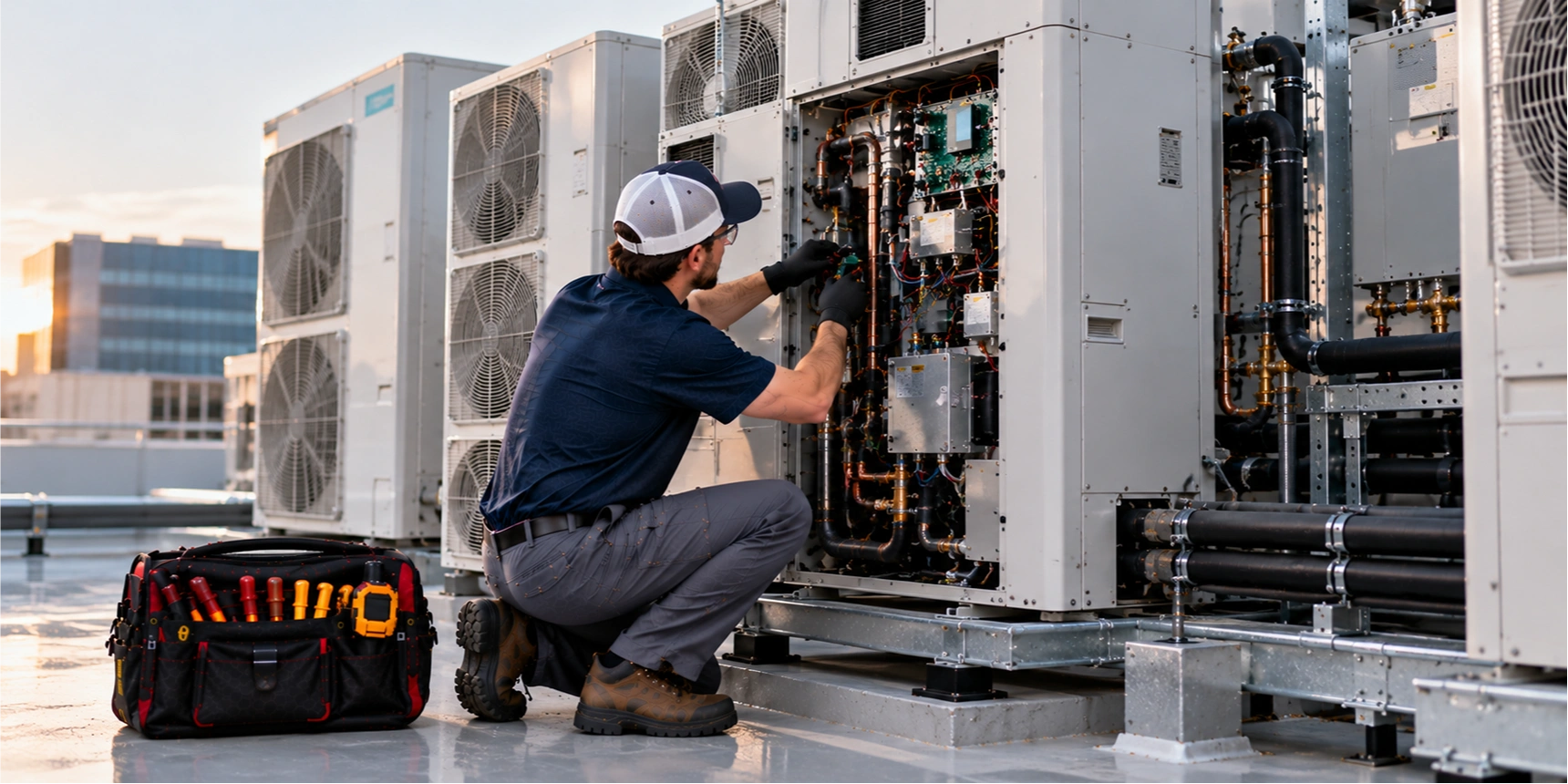

We consider how the affected zone, connected equipment, and overall system operation may relate to the reported issue.
We focus on concerns such as inconsistent temperatures, unresponsive indoor units, and differences in performance between areas.
We explain identified concerns and recommended next steps in a way that helps facility managers make informed decisions.
We recognize that operating schedules, occupancy patterns, and the purpose of each space influence climate-control needs.
We can discuss ongoing maintenance and potential improvements alongside immediate VRF service requirements.
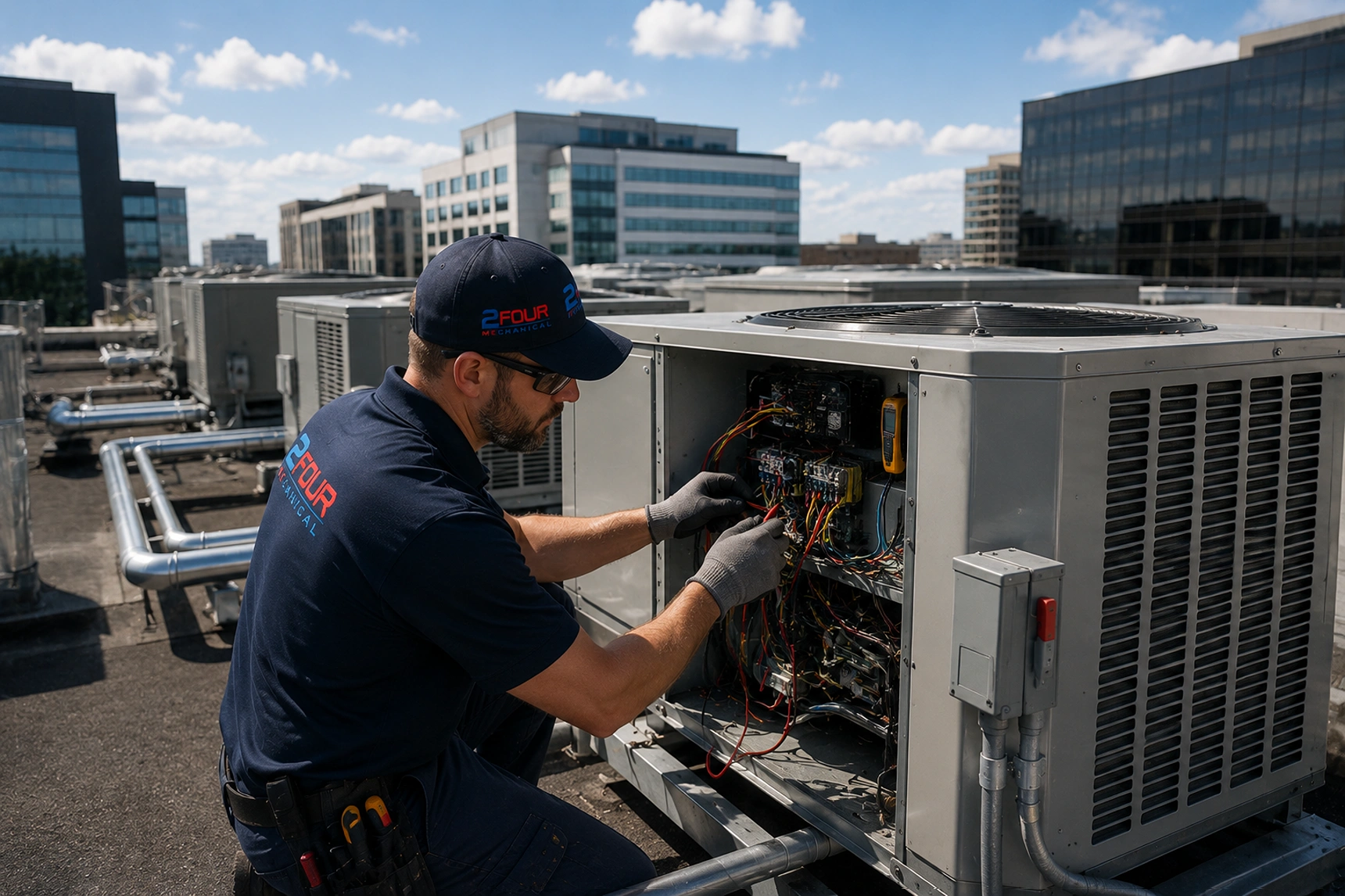
VRF issues can involve several connected components, so effective troubleshooting starts with understanding what the system is doing and where performance has changed. We review the reported concerns, assess relevant equipment, and discuss the appropriate next steps based on our findings.
We discuss which rooms or areas are experiencing problems, the symptoms involved, and when they occur.
We examine relevant equipment and investigate potential causes of the reported heating, cooling, or control issue.
We discuss the identified concerns and outline suitable service options based on the system's condition.
We carry out the agreed-upon work and review system operation and any recommended follow-up.
Reliable HVAC solutions designed to maximize comfort, efficiency, and performance for commercial properties.
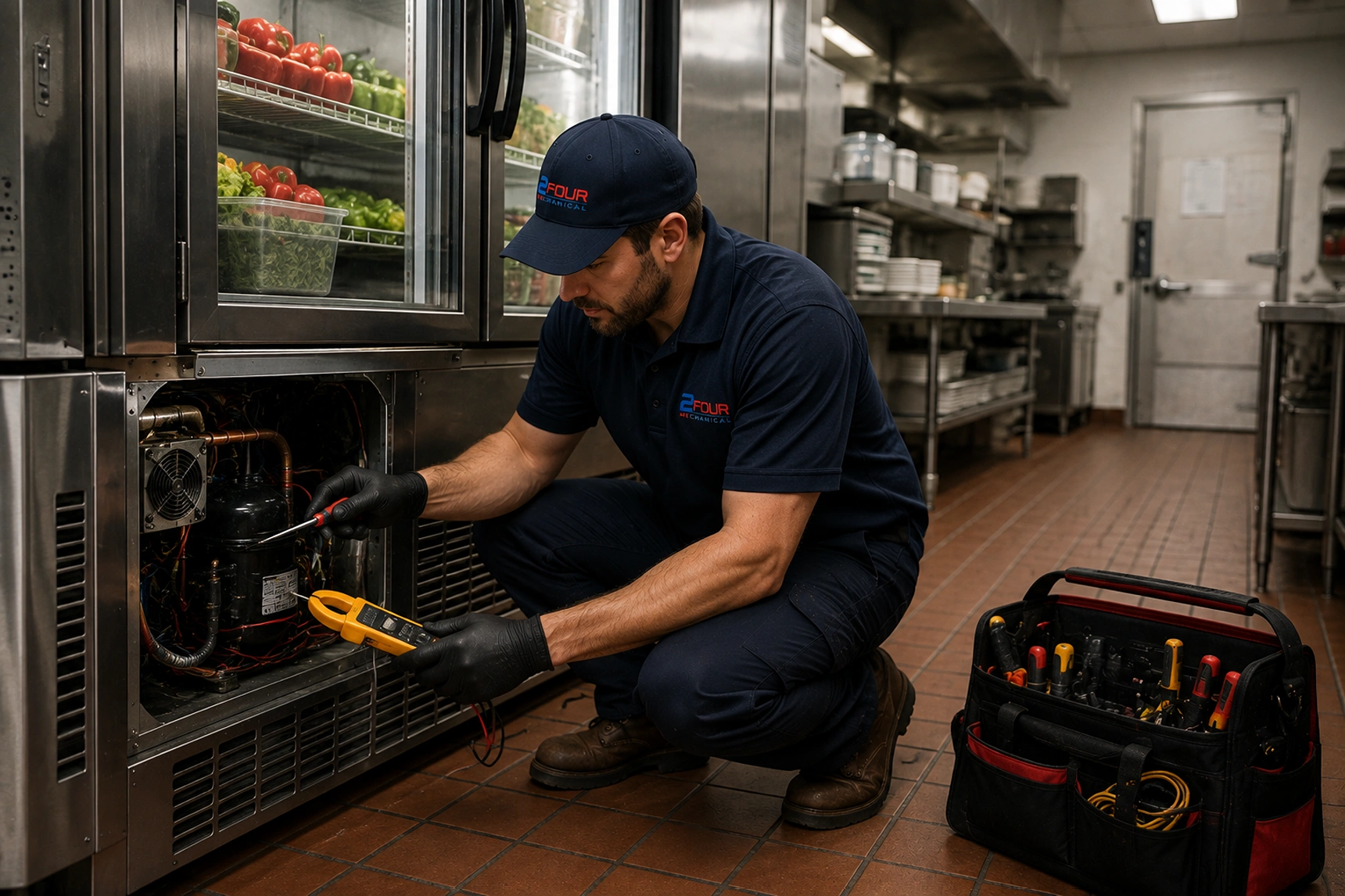
Professional refrigeration services that keep your business running with minimal downtime and dependable performance.
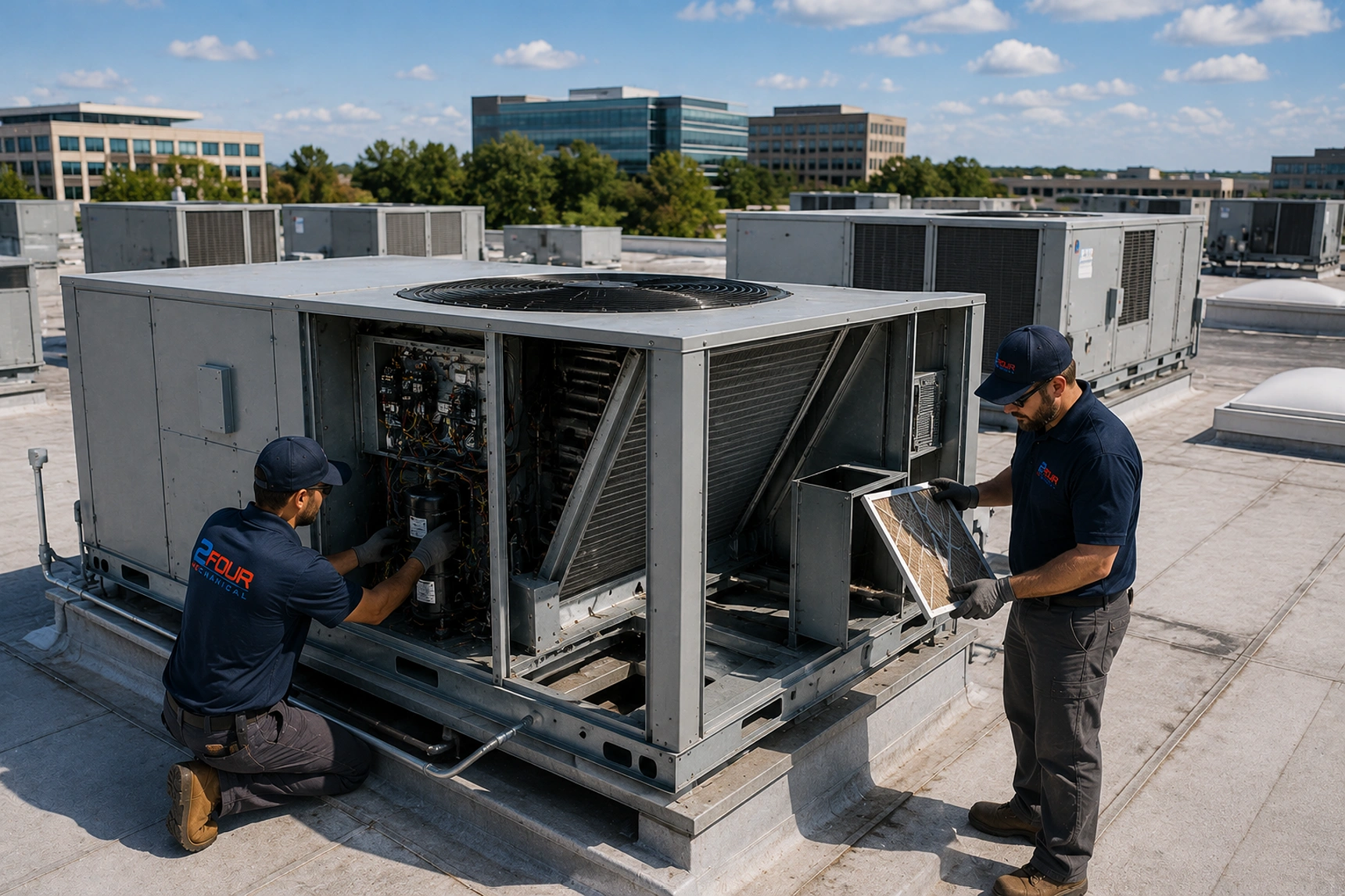
Complete rooftop unit installation, repair, and maintenance to ensure reliable commercial HVAC performance.
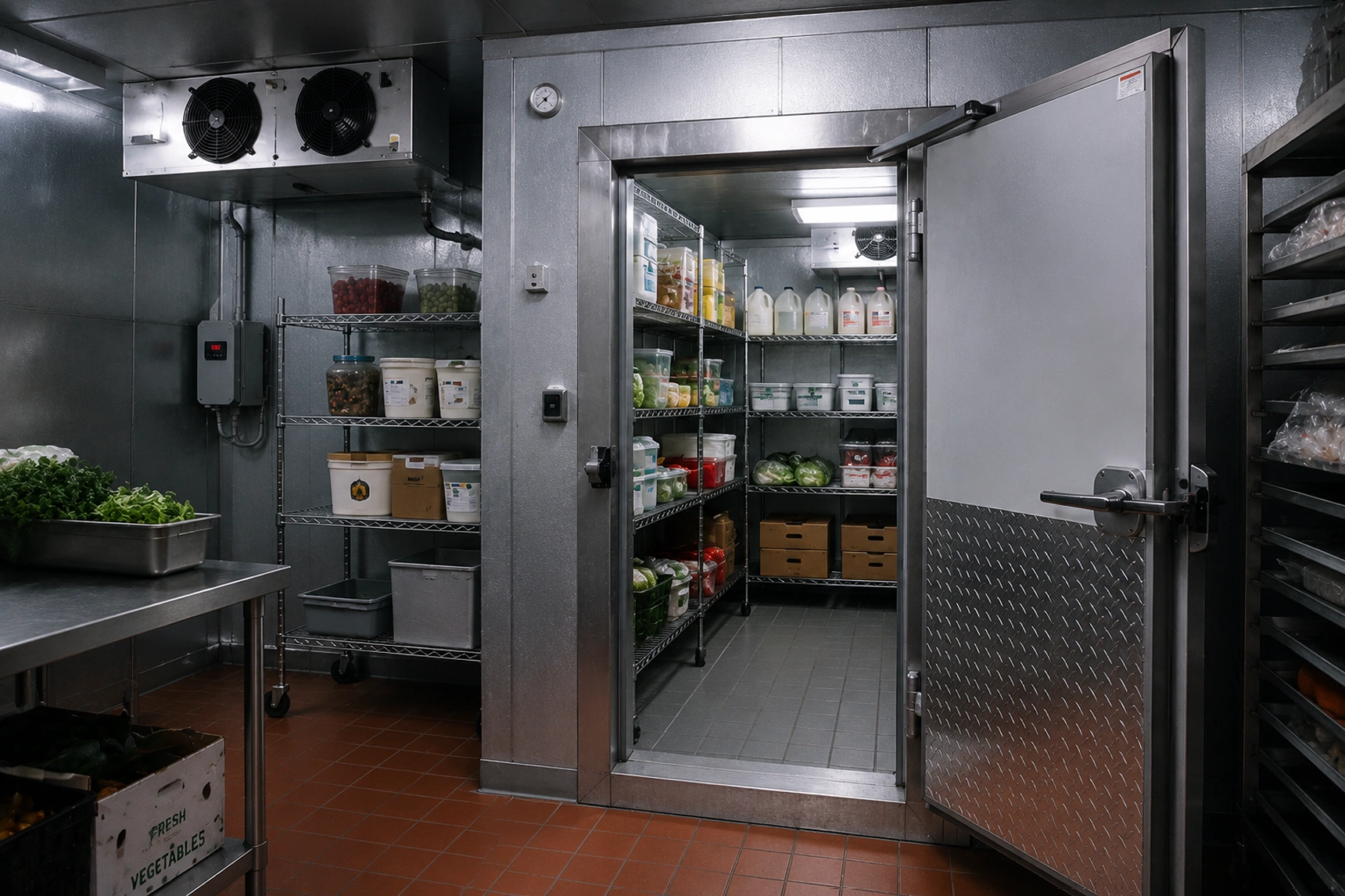
Keep your cold storage operating efficiently with expert installation, maintenance, and repair services.
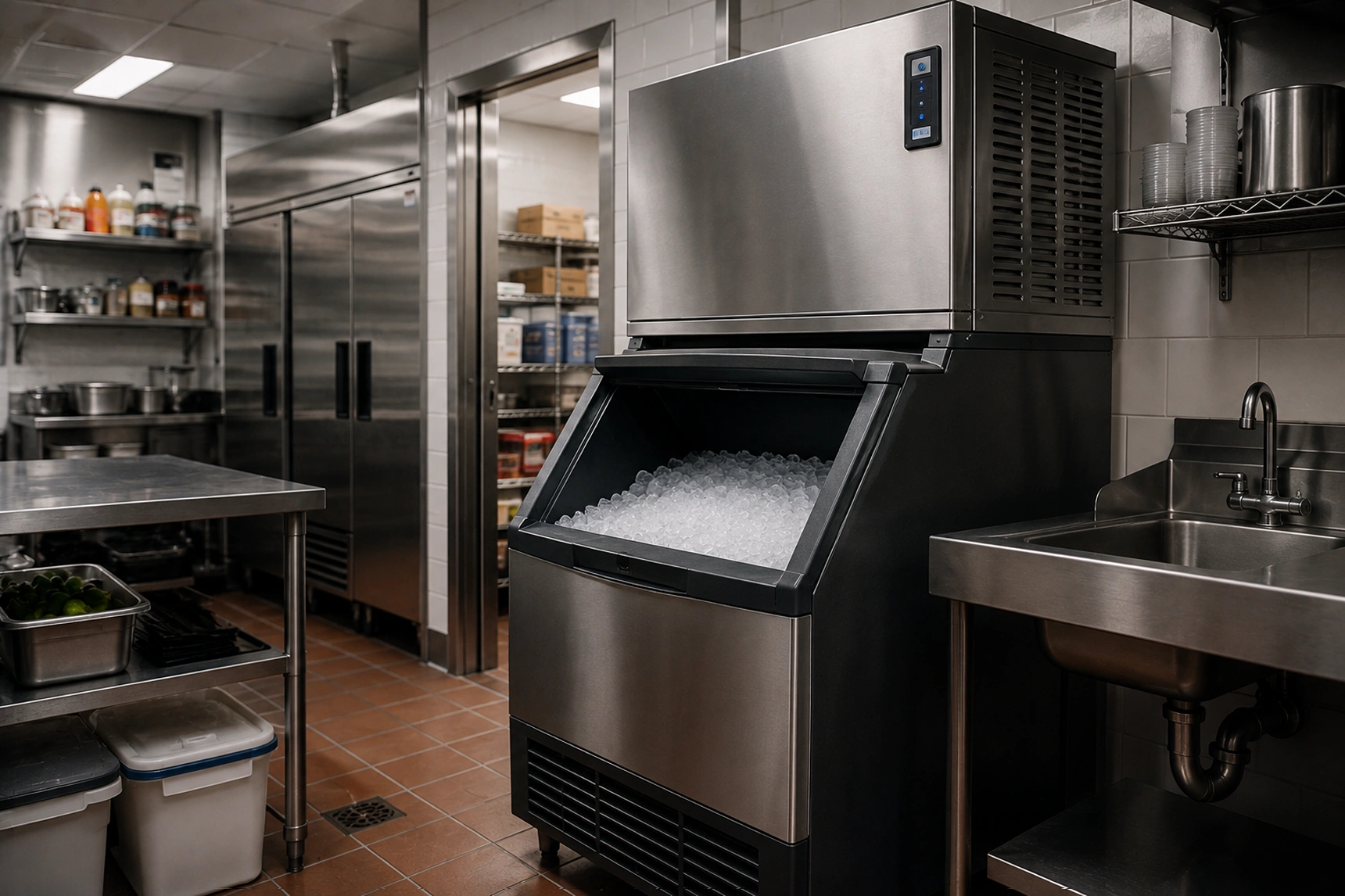
Professional ice machine installation, maintenance, and repair for reliable, uninterrupted daily operation.
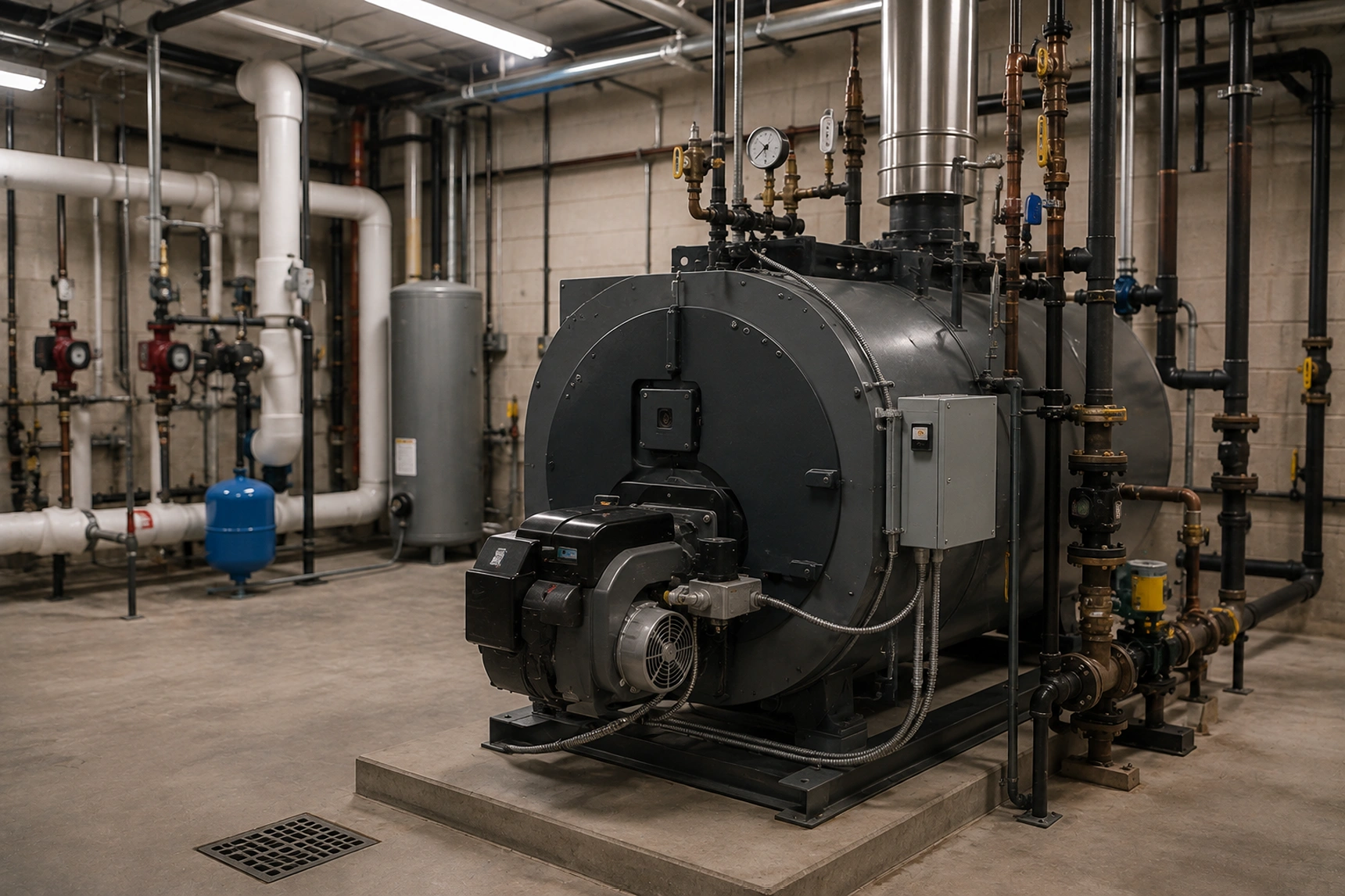
Efficient boiler installation, repair, and maintenance to deliver dependable heating and system performance.

Smart building control solutions that improve efficiency, simplify management, and optimize system performance.
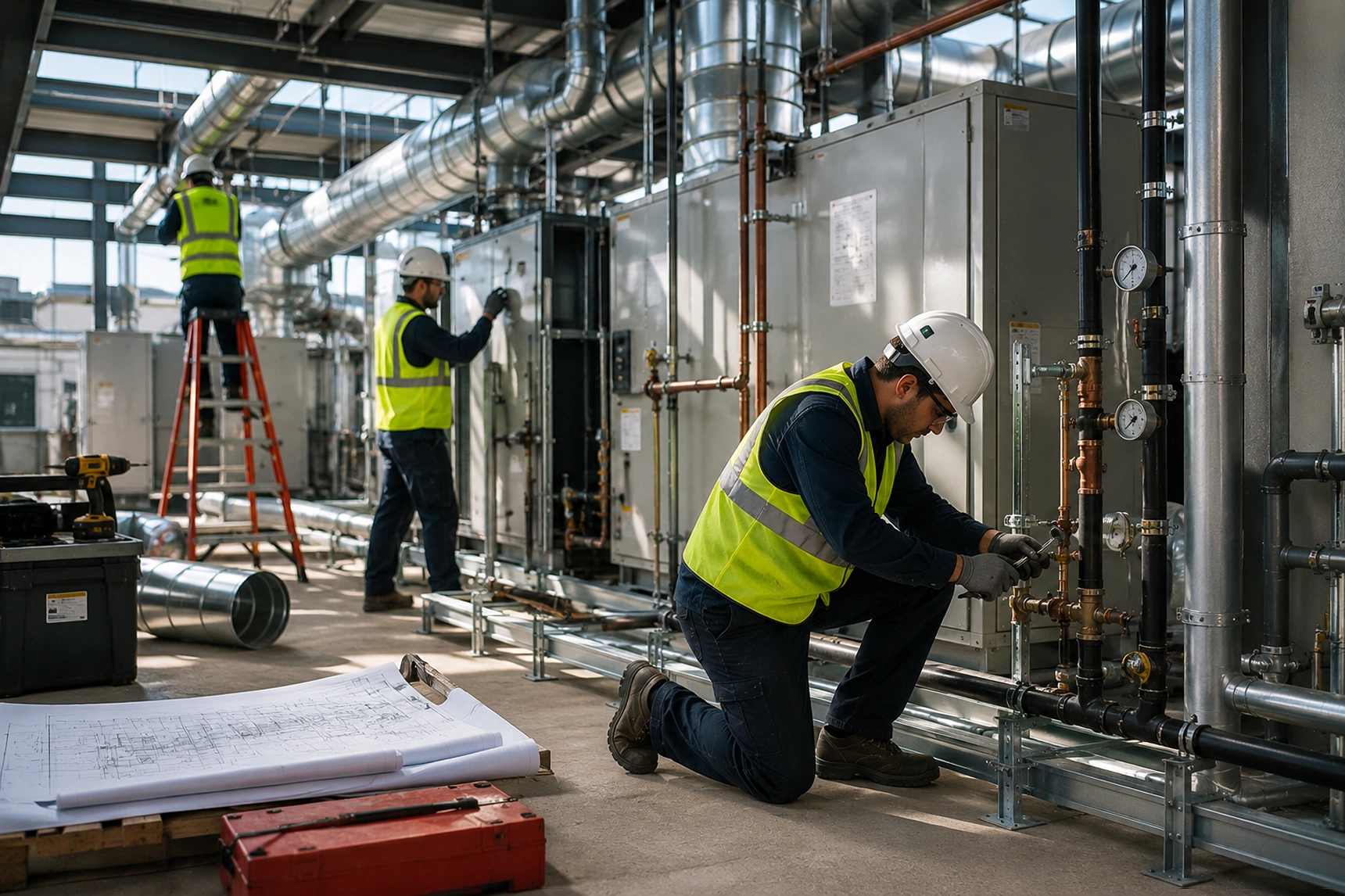
Comprehensive mechanical contracting services delivered with precision, quality workmanship, and dependable project execution.
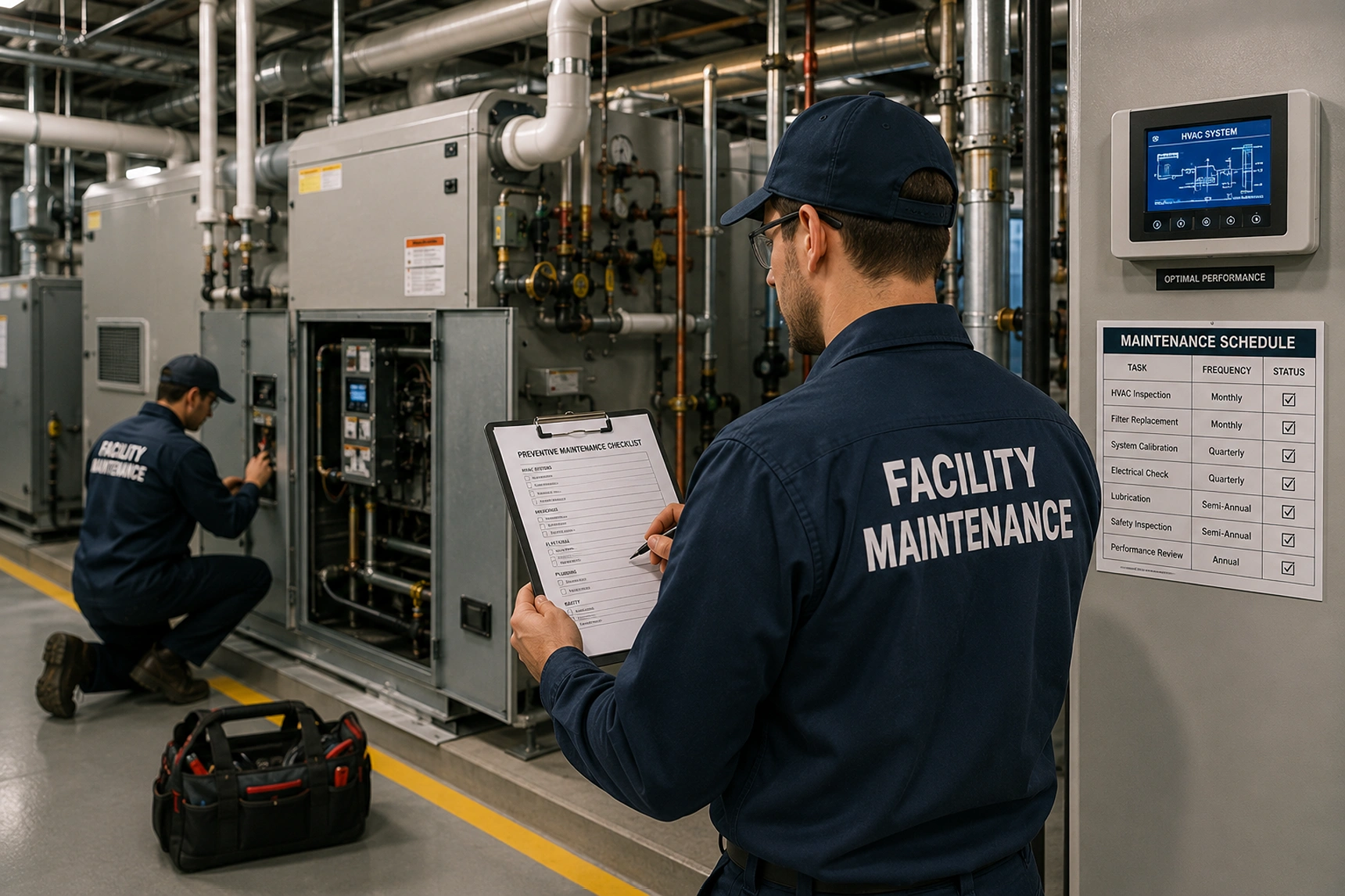
Customized maintenance programs that reduce downtime, improve reliability, and protect your mechanical systems.
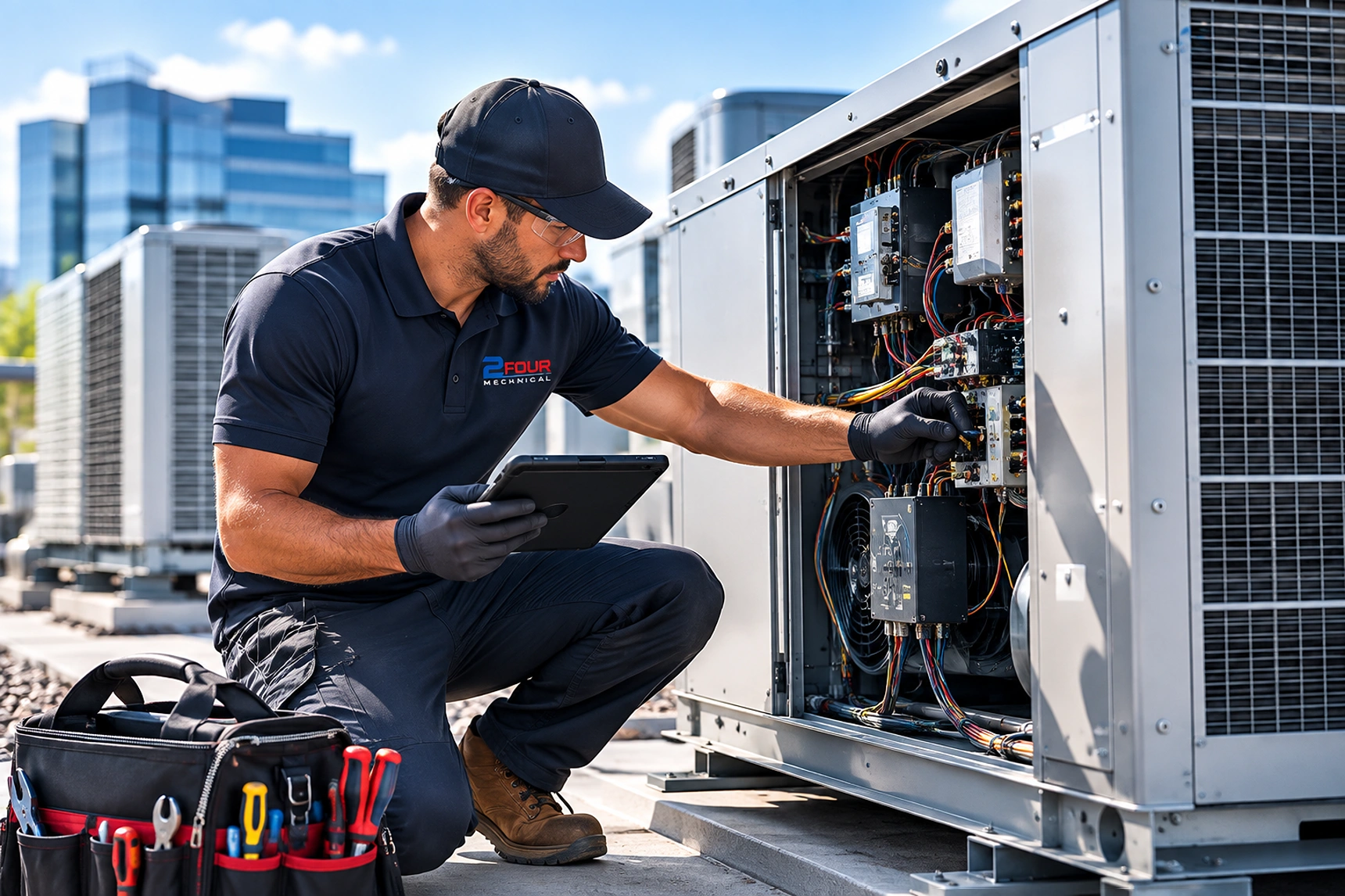
Protect your HVAC and mechanical systems with proactive maintenance that minimizes downtime, improves efficiency, and extends equipment life.
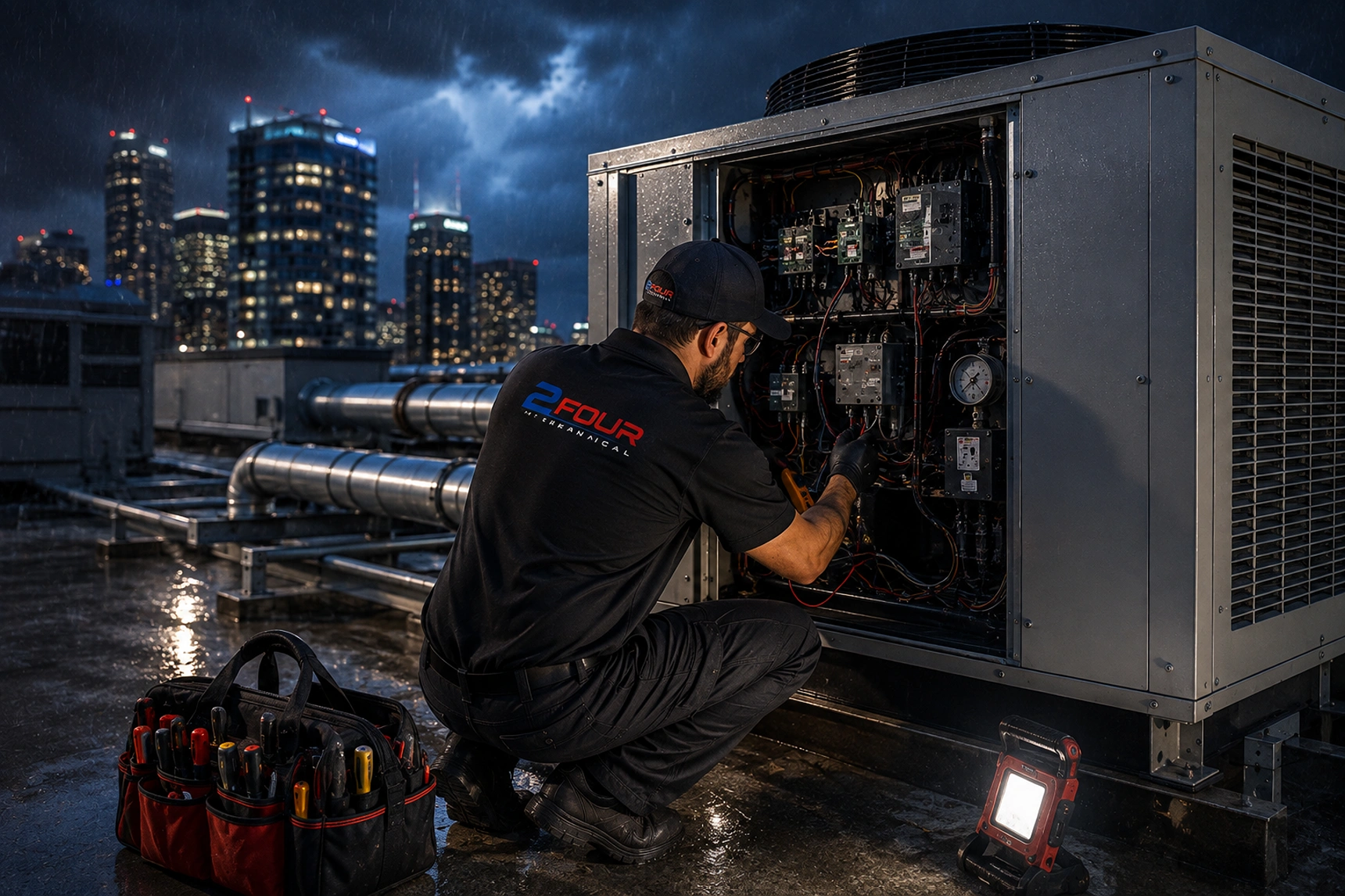
Fast, dependable emergency HVAC and mechanical support to minimize downtime and restore your operations quickly.

Reduce energy costs and improve system performance with efficient mechanical solutions designed for long-term savings.
Professional, dependable, and easy to work with. Their expertise and commitment to quality gave us complete confidence throughout the project.
Facility Manager
Fast response, knowledgeable technicians, and quality service from start to finish. They quickly resolved our HVAC issue with minimal disruption to our business.
Operations Manager
We’ve worked with several contractors over the years, and 2Four Perfect Mechanical stands out for their communication, reliability, and attention to detail. Their team made the entire process seamless.
Property Manager
The team was professional, responsive, and completed the job on time. They kept us informed throughout the process and delivered excellent workmanship. I highly recommend 2Four Perfect Mechanical.
Homeowner
We're here to help. Get in touch with our team today.
Variable Refrigerant Flow (VRF) is an HVAC technology that adjusts refrigerant flow to meet changing heating and cooling demands. A system can serve multiple indoor units or zones, allowing different areas to have different temperature settings.
VRF systems may suit offices, hotels, retail properties, mixed-use buildings, and other commercial spaces with varying zone requirements. Suitability depends on the building layout, application, system design, and operating needs.
Possible warning signs include inconsistent temperatures, indoor units that do not respond properly, unusual noises, system error codes, unexpected shutdowns, or changes in normal operation.
Possible causes include indoor unit faults, control or communication issues, airflow restrictions, refrigerant-related problems, or other system conditions. A professional assessment can help identify the underlying cause.
Many VRF configurations allow independent zone control. Simultaneous heating and cooling depends on the specific system design and configuration, so the capabilities of your installed equipment should be confirmed.
Maintenance frequency depends on the equipment manufacturer’s recommendations, system configuration, operating hours, and environmental conditions. Routine care can help identify developing issues and support reliable operation.
We can discuss concerns involving zone performance, controls, system operation, and maintenance needs. The appropriate options depend on the installed equipment and the findings of an assessment.