Keep your commercial HVAC and mechanical equipment ready for daily demands. 2Four Perfect Mechanical helps businesses identify developing issues, maintain system performance, and plan equipment care before minor concerns become costly disruptions.
Commercial equipment operates under demanding conditions, often running for long hours to maintain indoor comfort, refrigeration, and essential building functions. Over time, worn components, restricted airflow, dirty equipment, and changing operating conditions can affect performance. Without routine attention, these issues may go unnoticed until equipment stops working as expected.
2Four Perfect Mechanical helps businesses take a more proactive approach through preventive maintenance tailored to their equipment and operating requirements. Planned service can help identify developing concerns, address routine care needs, and provide a clearer picture of system condition. The goal is to support dependable operation while helping your team make informed decisions about repairs and future equipment needs.
Routine equipment checks can reveal signs of wear or performance changes that may need attention before they become more disruptive.
Appropriate cleaning, inspection, and servicing help keep equipment operating as intended under normal conditions.
Addressing certain issues early may lower the risk of unexpected interruptions, although no maintenance program can eliminate every breakdown.
Clean components, suitable settings, and properly maintained equipment can help reduce unnecessary energy use.
Planned maintenance helps you anticipate routine service needs and prepare for potential repairs or replacement decisions.
Appropriate care can reduce avoidable strain on components and help support the useful life of mechanical equipment.
Effective preventive maintenance is about understanding what your equipment needs, not simply following a checklist. Different systems face different operating demands, and a useful maintenance approach should reflect equipment condition, usage, and the consequences of an interruption. 2Four Perfect Mechanical focuses on practical equipment care, clear findings, and recommendations that help businesses plan their next steps with greater confidence.
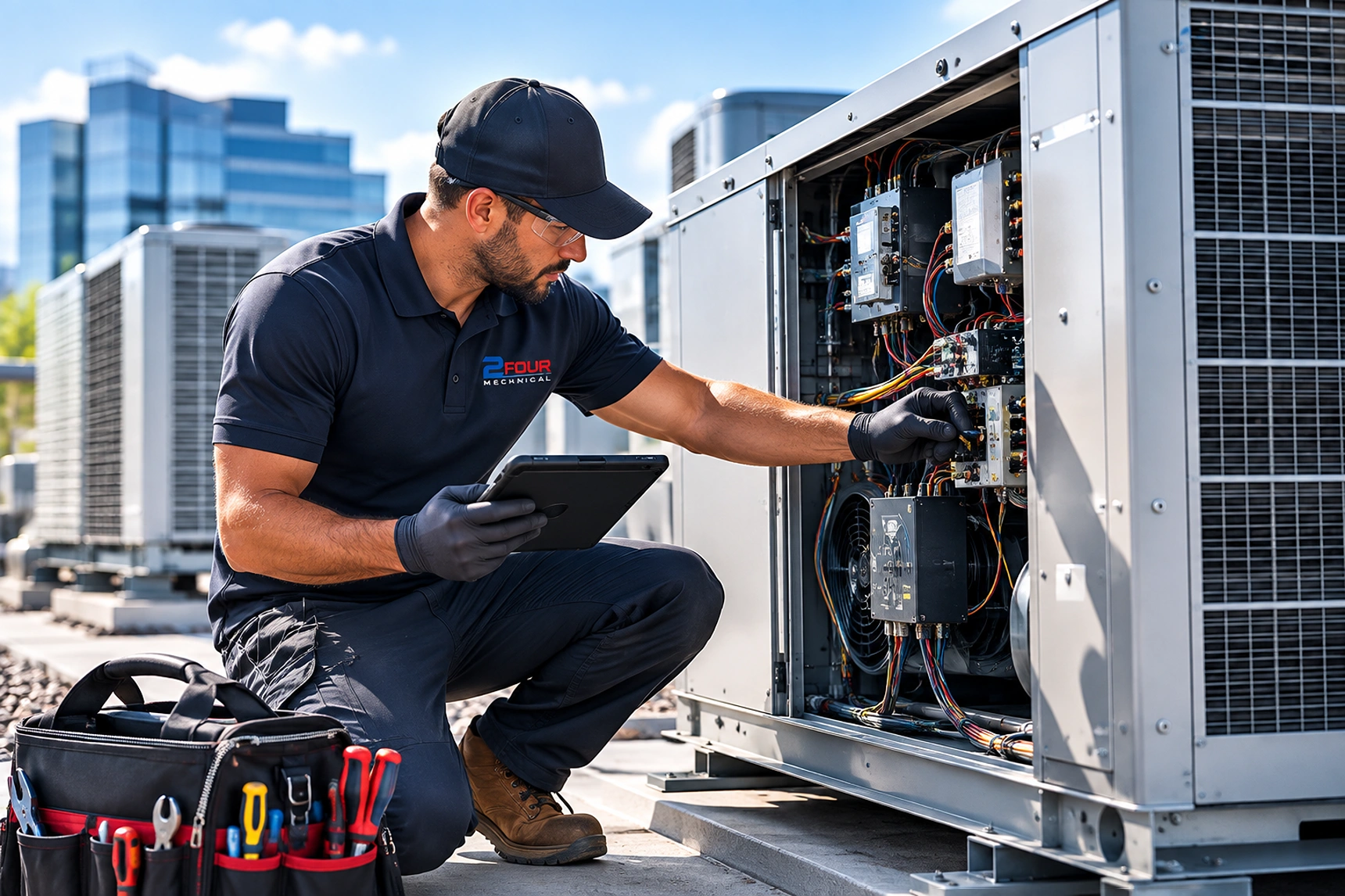
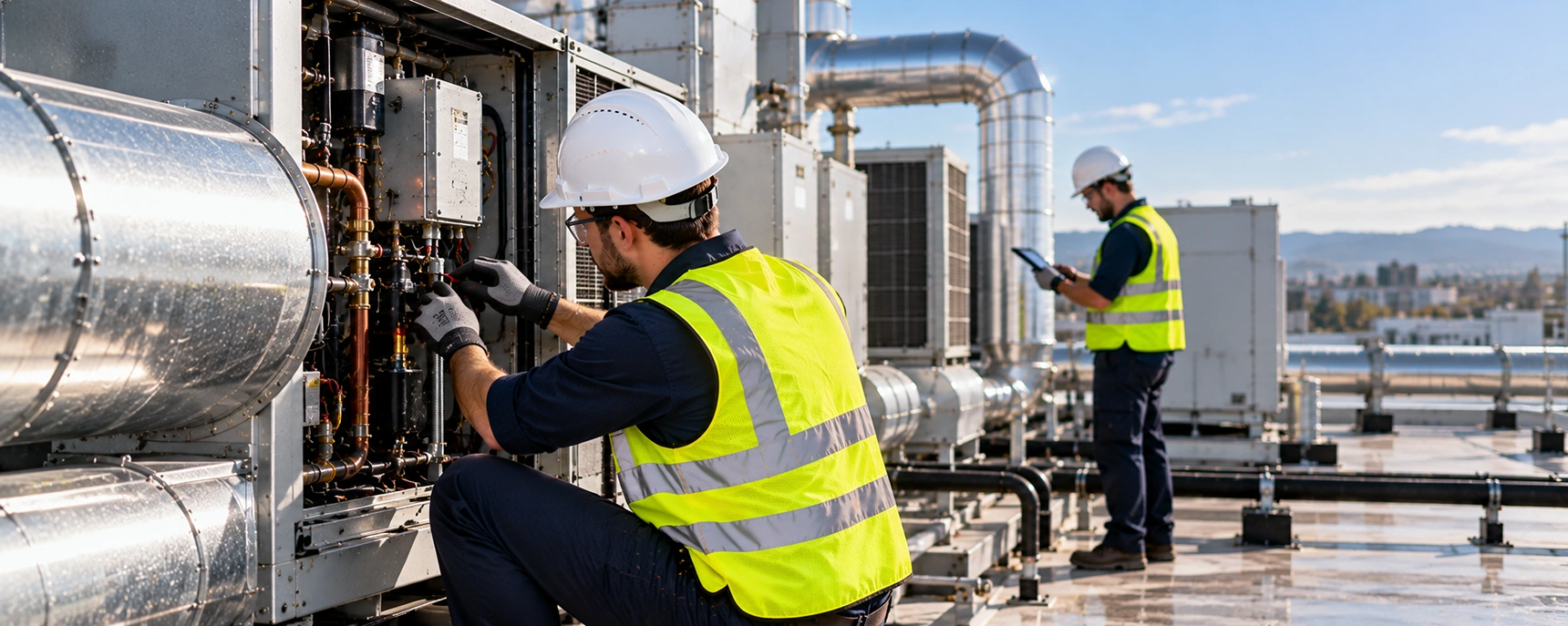

We consider the type of equipment, its operating conditions, and relevant maintenance requirements when discussing service needs.
We look for visible wear, performance concerns, and other indicators that may warrant further investigation.
We communicate relevant observations and explain where additional work or follow-up may be appropriate.
We discuss scheduling and service priorities with consideration for your facility’s operating hours and equipment needs.
We help you consider future maintenance, potential repairs, and equipment planning based on the findings and your priorities.
Preventive maintenance works best when equipment needs are understood and service findings lead to clear next steps. Our process focuses on reviewing your requirements, carrying out the agreed maintenance, and communicating any concerns that may need further attention.
We discuss your mechanical systems, operating conditions, maintenance history if available, and current concerns.
We perform the agreed service activities based on the equipment, scope of work, and relevant maintenance requirements.
We communicate notable findings and discuss any recommended repairs, additional assessment, or follow-up.
We review ongoing maintenance needs and discuss suitable next steps based on equipment requirements and operating priorities.
Reliable HVAC solutions designed to maximize comfort, efficiency, and performance for commercial properties.
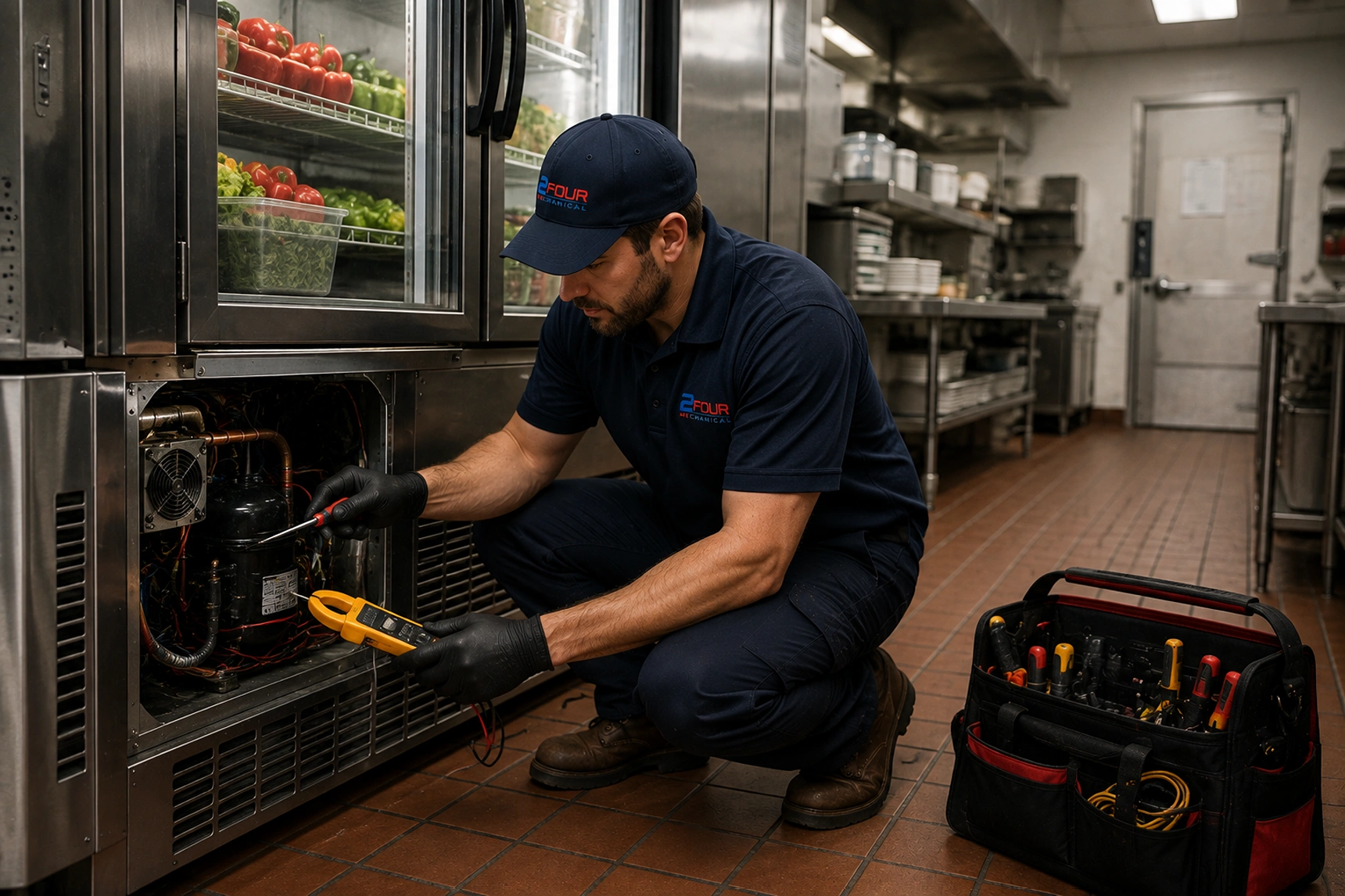
Professional refrigeration services that keep your business running with minimal downtime and dependable performance.
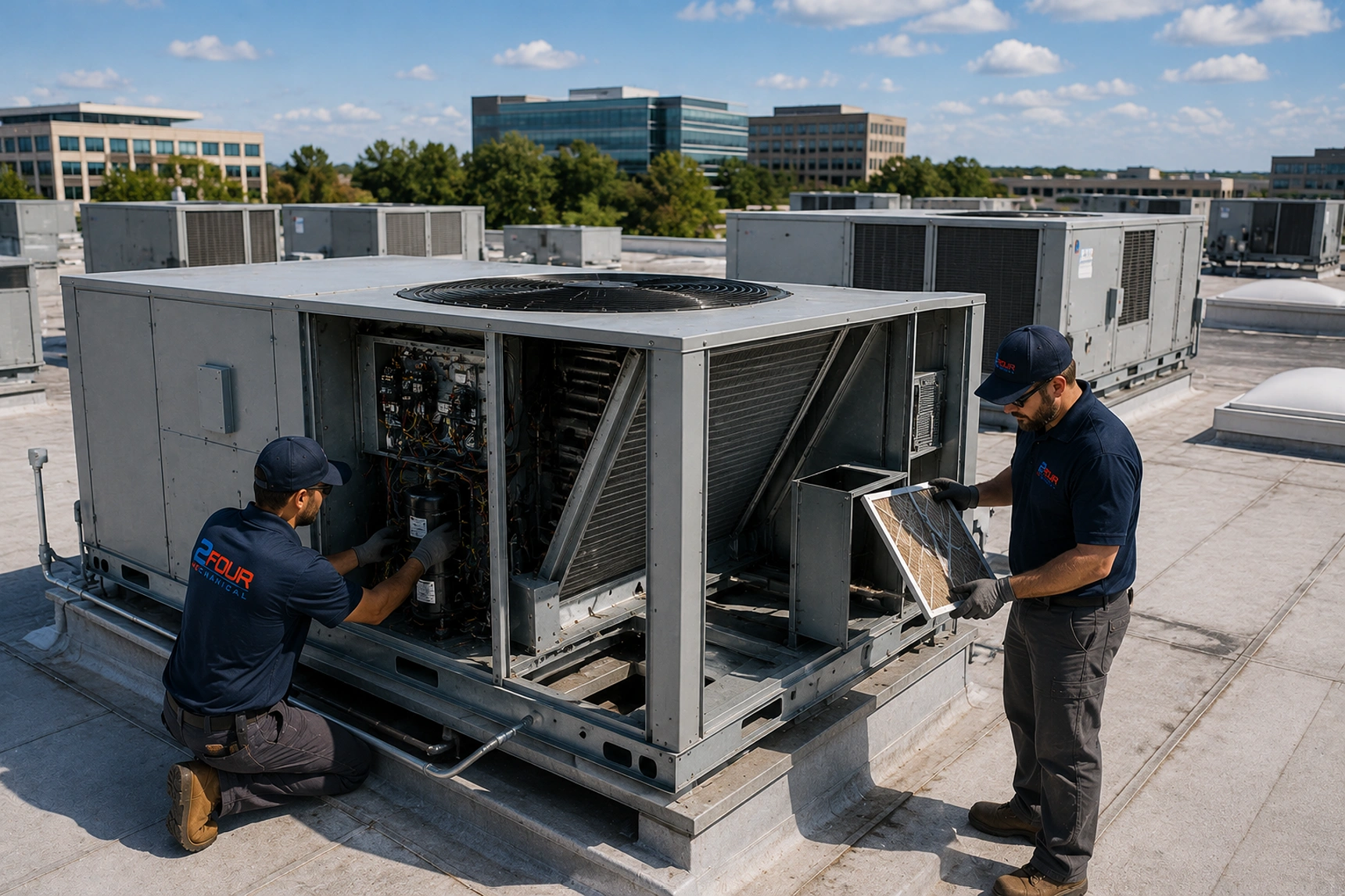
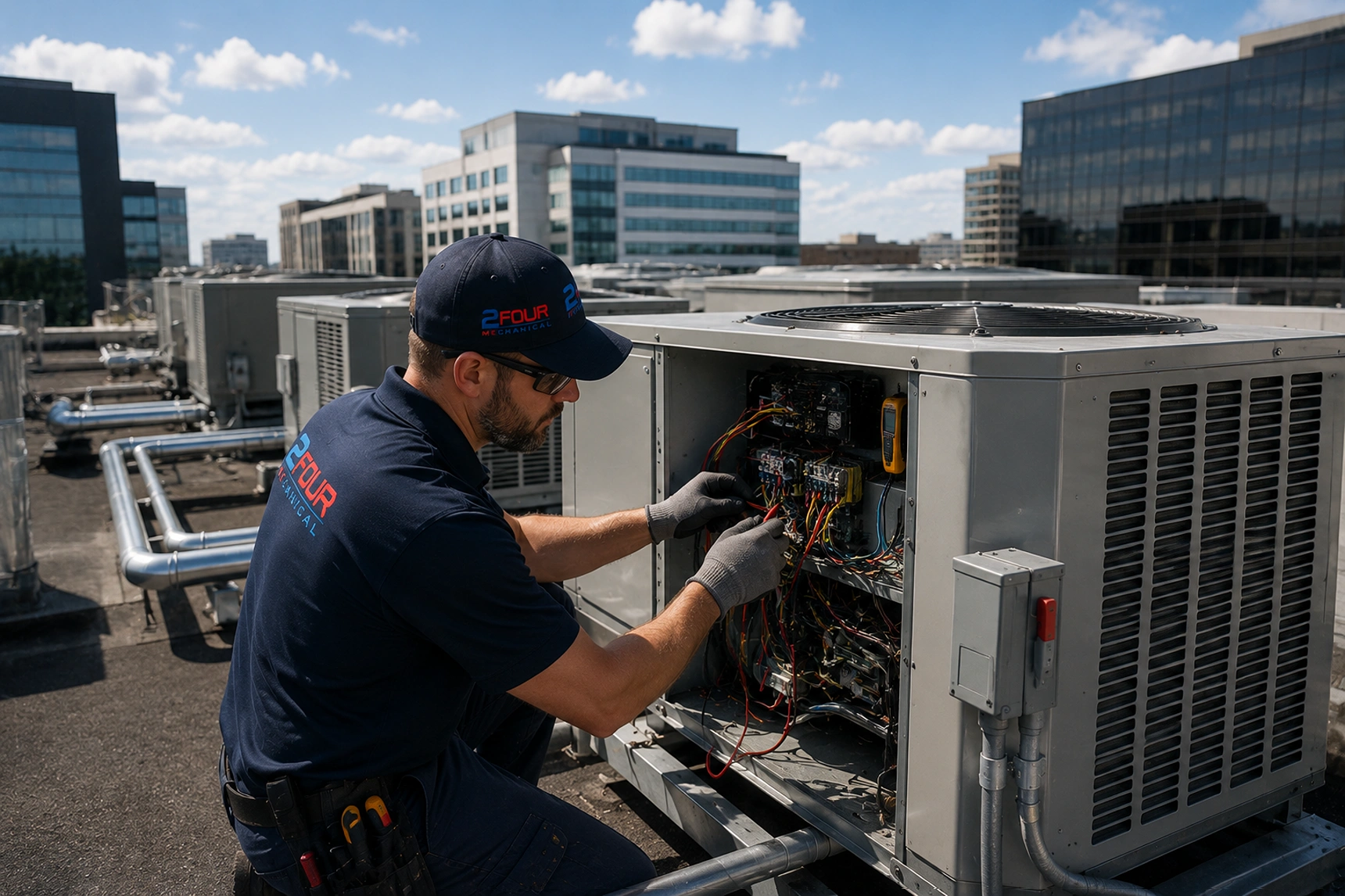
Complete rooftop unit installation, repair, and maintenance to ensure reliable commercial HVAC performance.
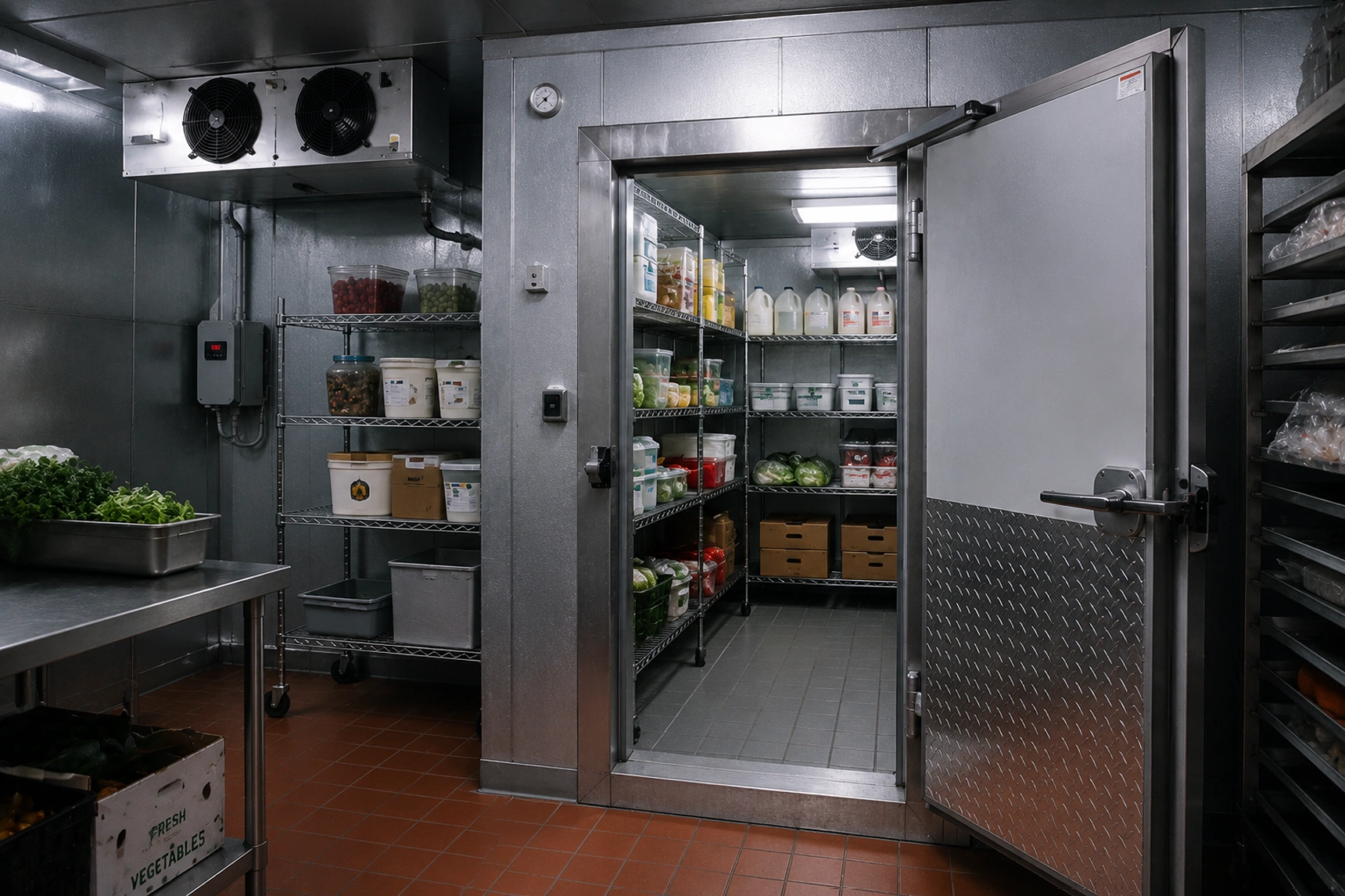
Keep your cold storage operating efficiently with expert installation, maintenance, and repair services.
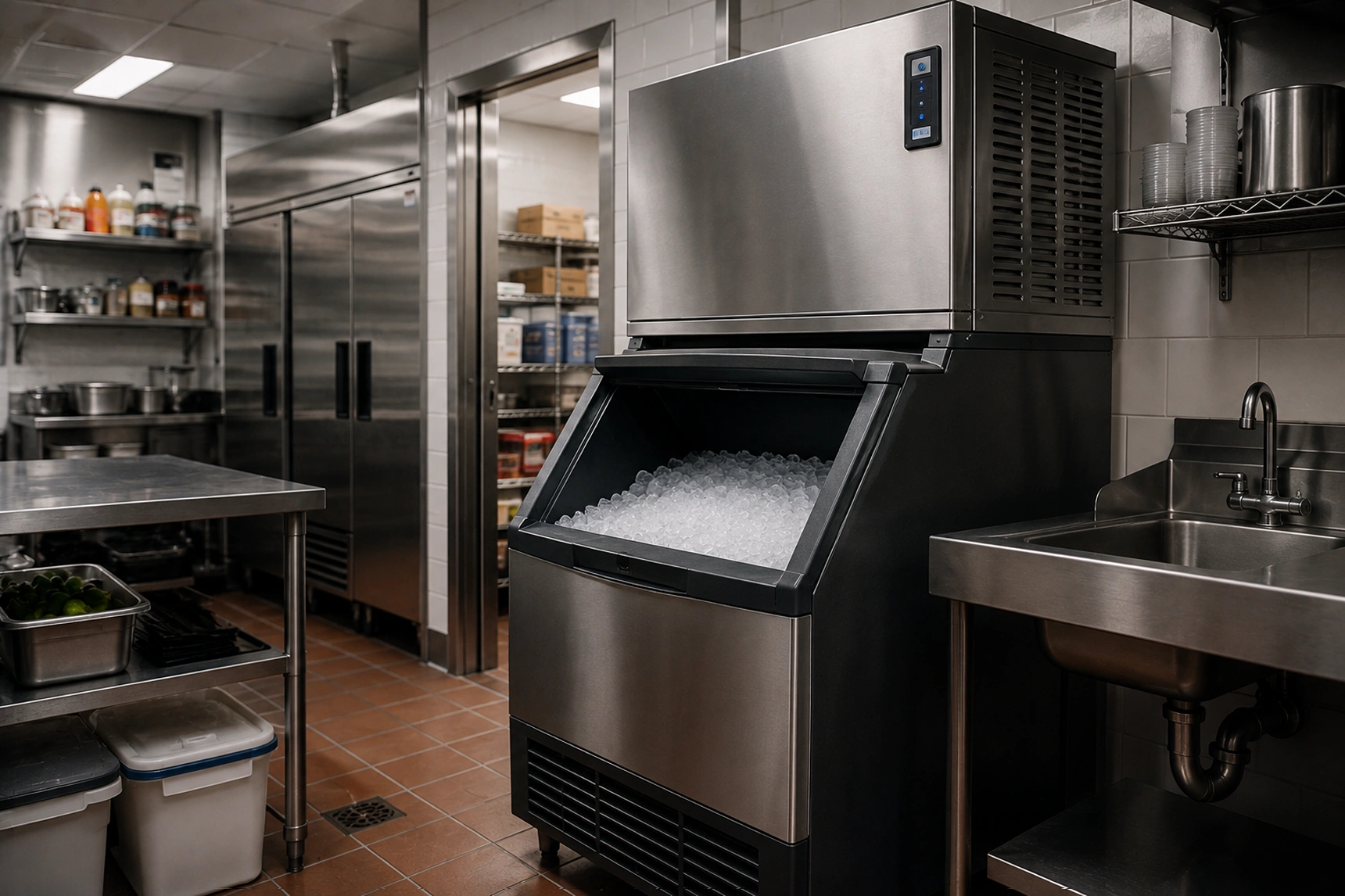
Professional ice machine installation, maintenance, and repair for reliable, uninterrupted daily operation.
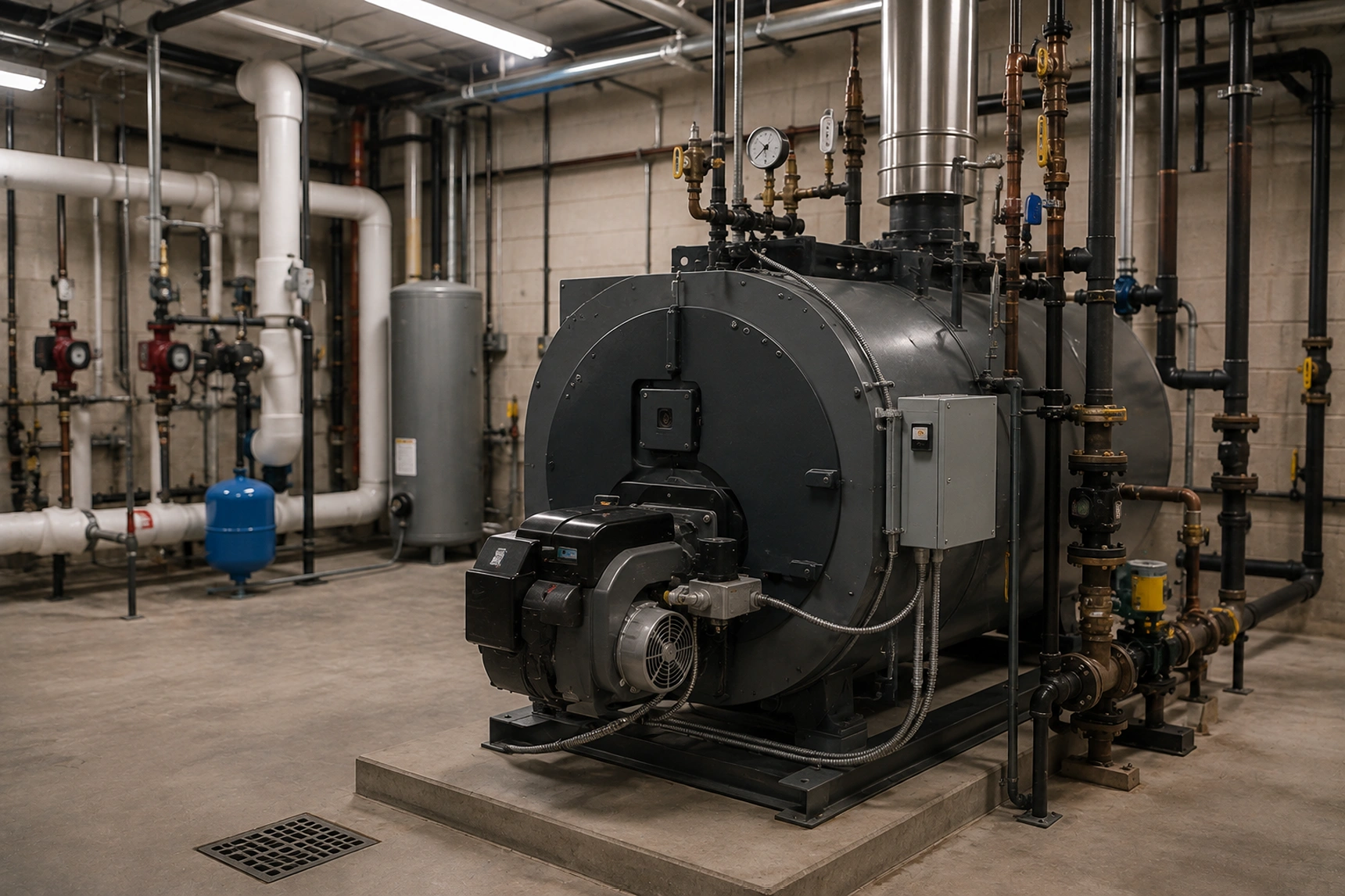
Efficient boiler installation, repair, and maintenance to deliver dependable heating and system performance.
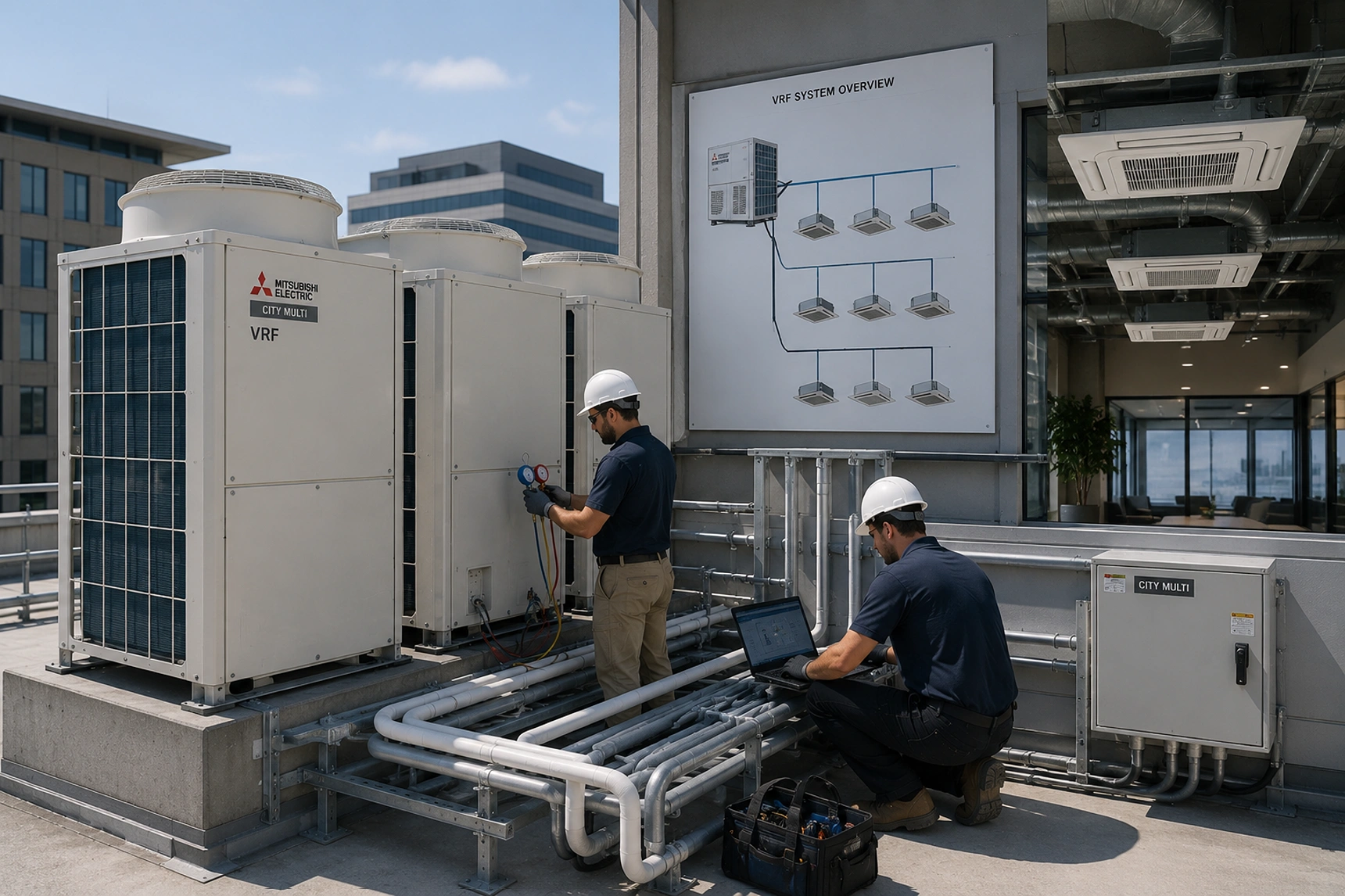
Advanced VRF system solutions designed for superior comfort, energy efficiency, and flexible climate control.
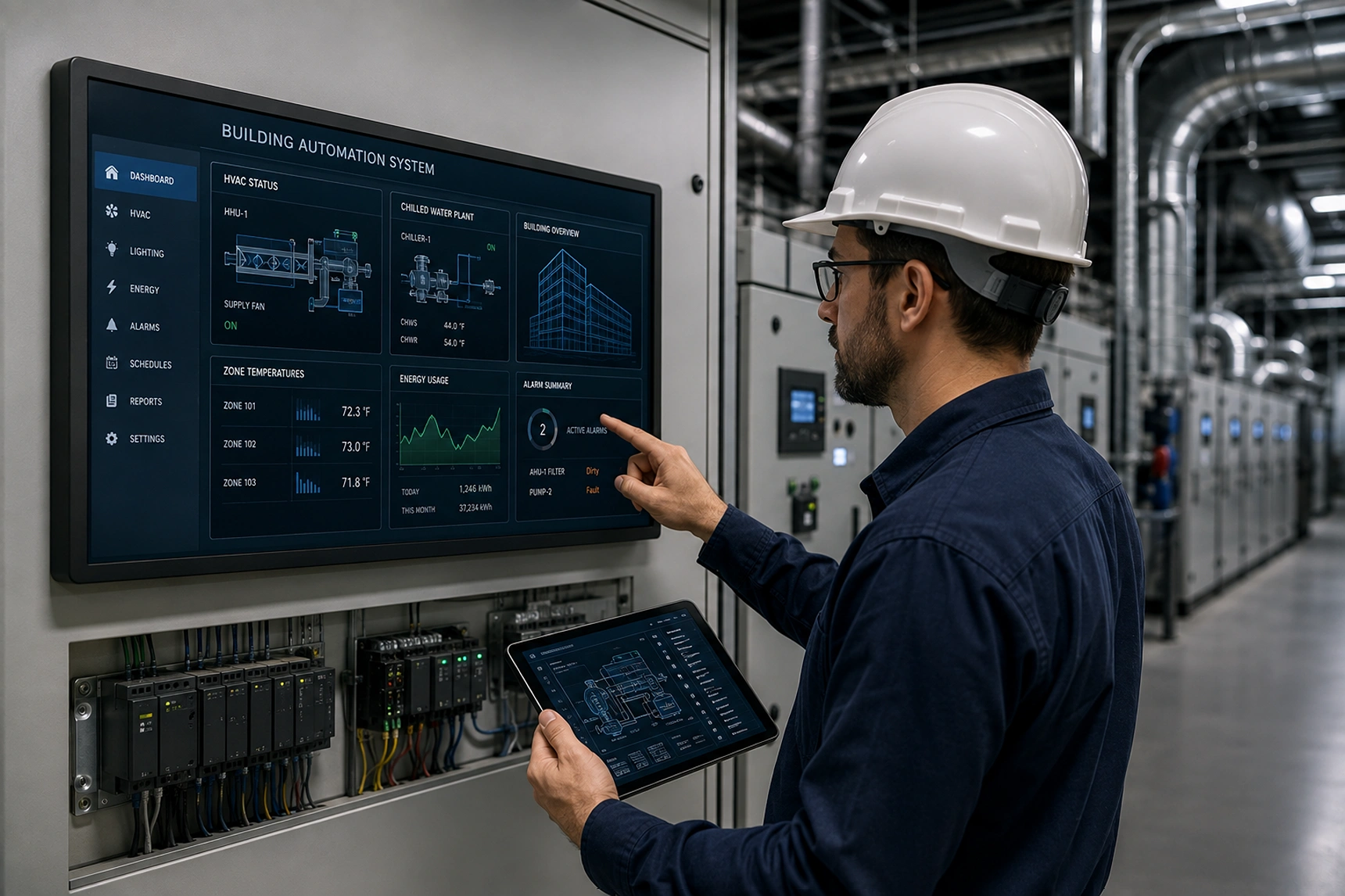
Smart building control solutions that improve efficiency, simplify management, and optimize system performance.
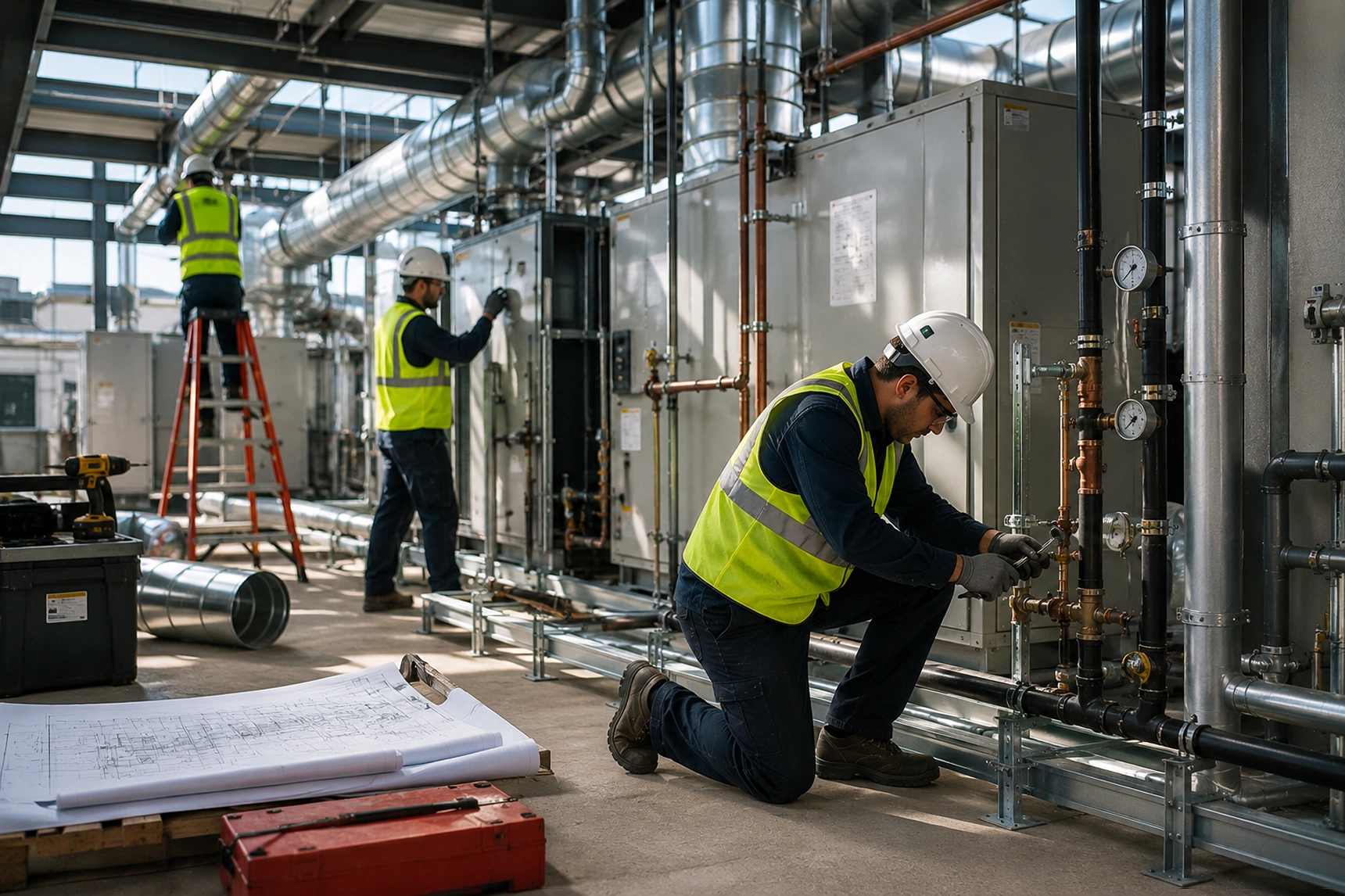
Comprehensive mechanical contracting services delivered with precision, quality workmanship, and dependable project execution.
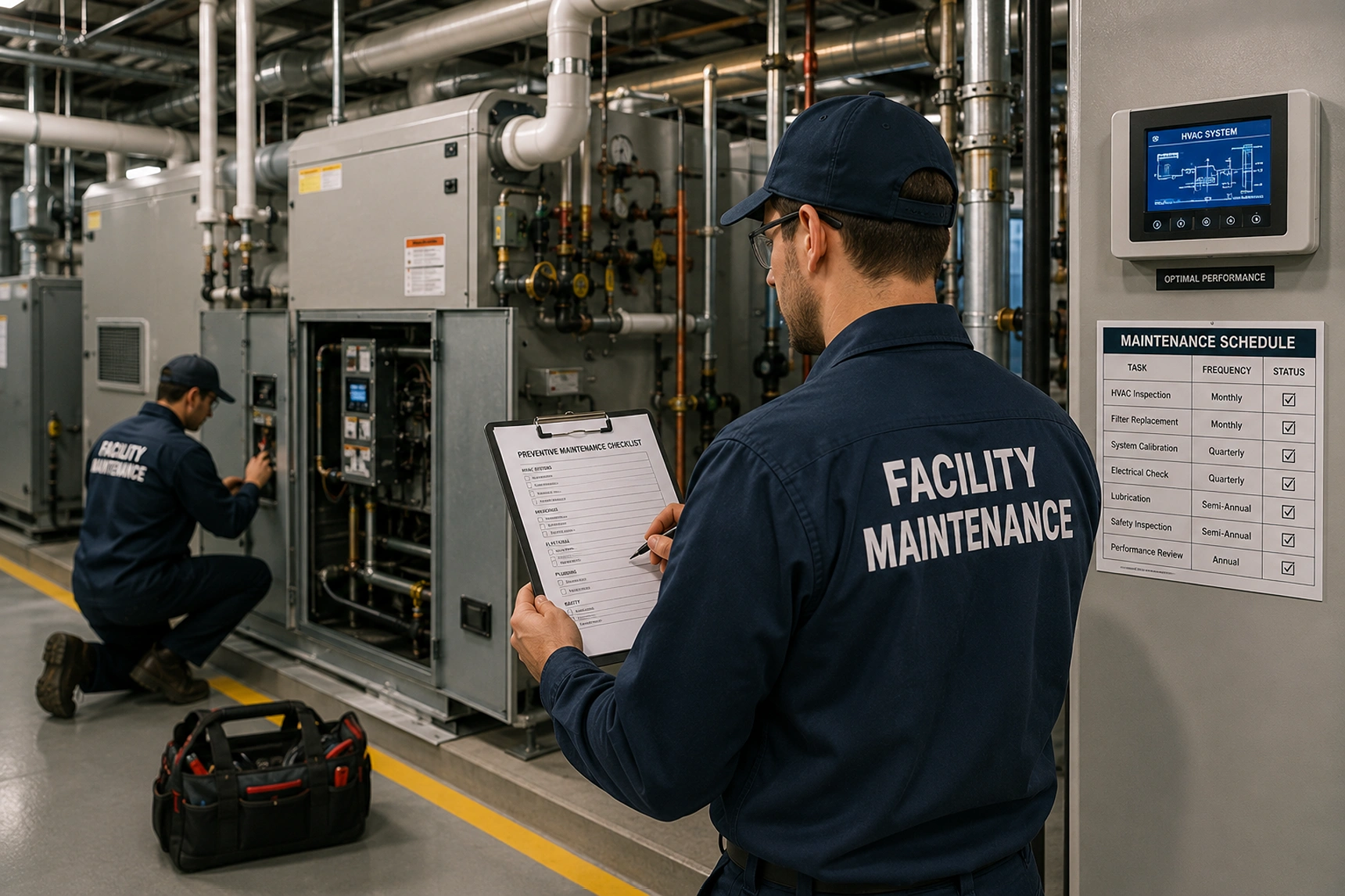
Customized maintenance programs that reduce downtime, improve reliability, and protect your mechanical systems.
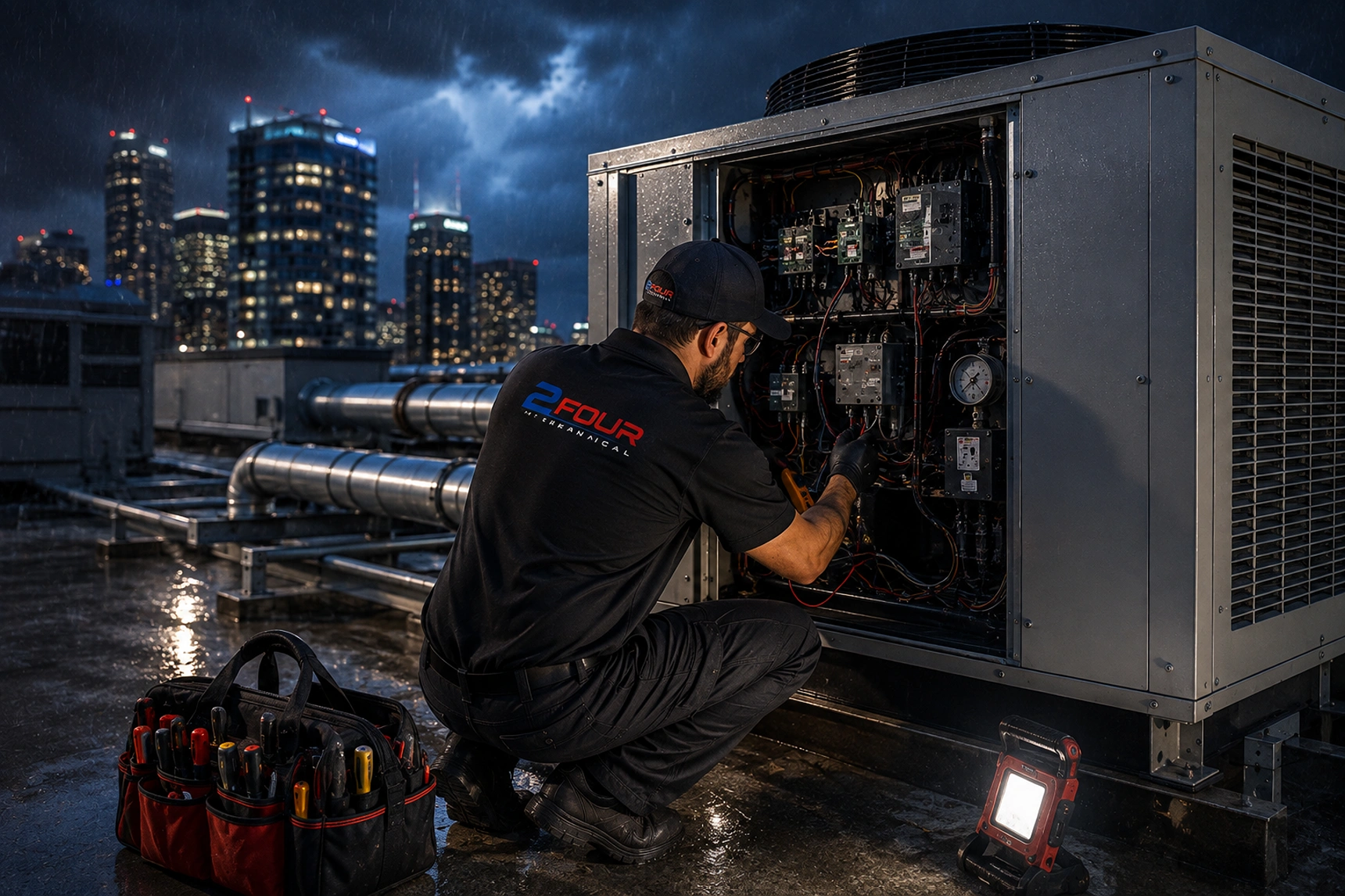
Fast, dependable emergency HVAC and mechanical support to minimize downtime and restore your operations quickly.
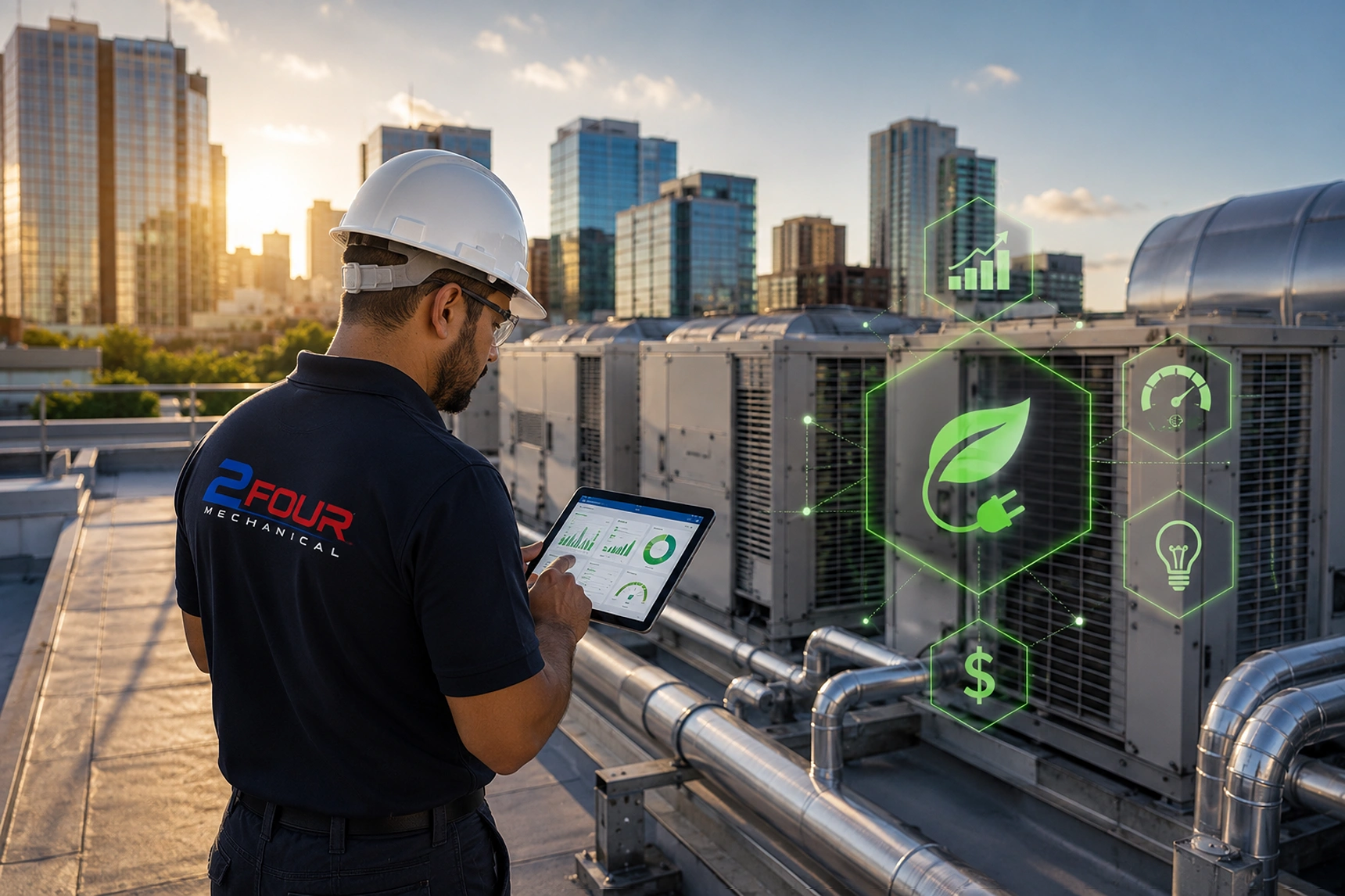
Reduce energy costs and improve system performance with efficient mechanical solutions designed for long-term savings.
Professional, dependable, and easy to work with. Their expertise and commitment to quality gave us complete confidence throughout the project.
Facility Manager
Fast response, knowledgeable technicians, and quality service from start to finish. They quickly resolved our HVAC issue with minimal disruption to our business.
Operations Manager
We’ve worked with several contractors over the years, and 2Four Perfect Mechanical stands out for their communication, reliability, and attention to detail. Their team made the entire process seamless.
Property Manager
The team was professional, responsive, and completed the job on time. They kept us informed throughout the process and delivered excellent workmanship. I highly recommend 2Four Perfect Mechanical.
Homeowner
We're here to help. Get in touch with our team today.
Preventive maintenance involves planned inspections, cleaning, servicing, and other appropriate care intended to help maintain equipment performance and identify developing concerns before they become more serious.
Depending on the agreed scope, maintenance may cover commercial HVAC systems, rooftop units, refrigeration equipment, boilers, and other relevant mechanical equipment.
The appropriate schedule depends on the equipment manufacturer’s recommendations, operating hours, environmental conditions, system type, and facility requirements. Maintenance should be planned around these factors rather than using one schedule for every system.
Preventive maintenance can help identify certain developing problems and reduce some avoidable failures. However, it cannot eliminate all equipment faults or guarantee uninterrupted operation.
Properly maintained equipment may use energy more effectively by addressing issues such as restricted airflow, dirty components, and unsuitable operating settings. Actual savings depend on the equipment’s condition, energy use, and the work performed.
Preventive maintenance focuses on planned care for equipment. A facility maintenance program can provide a broader framework for organizing ongoing service, maintenance priorities, and other agreed facility support.
Scheduling depends on the equipment, work required, access requirements, and available service arrangements. Share your operating hours and any restrictions so they can be considered when planning maintenance.